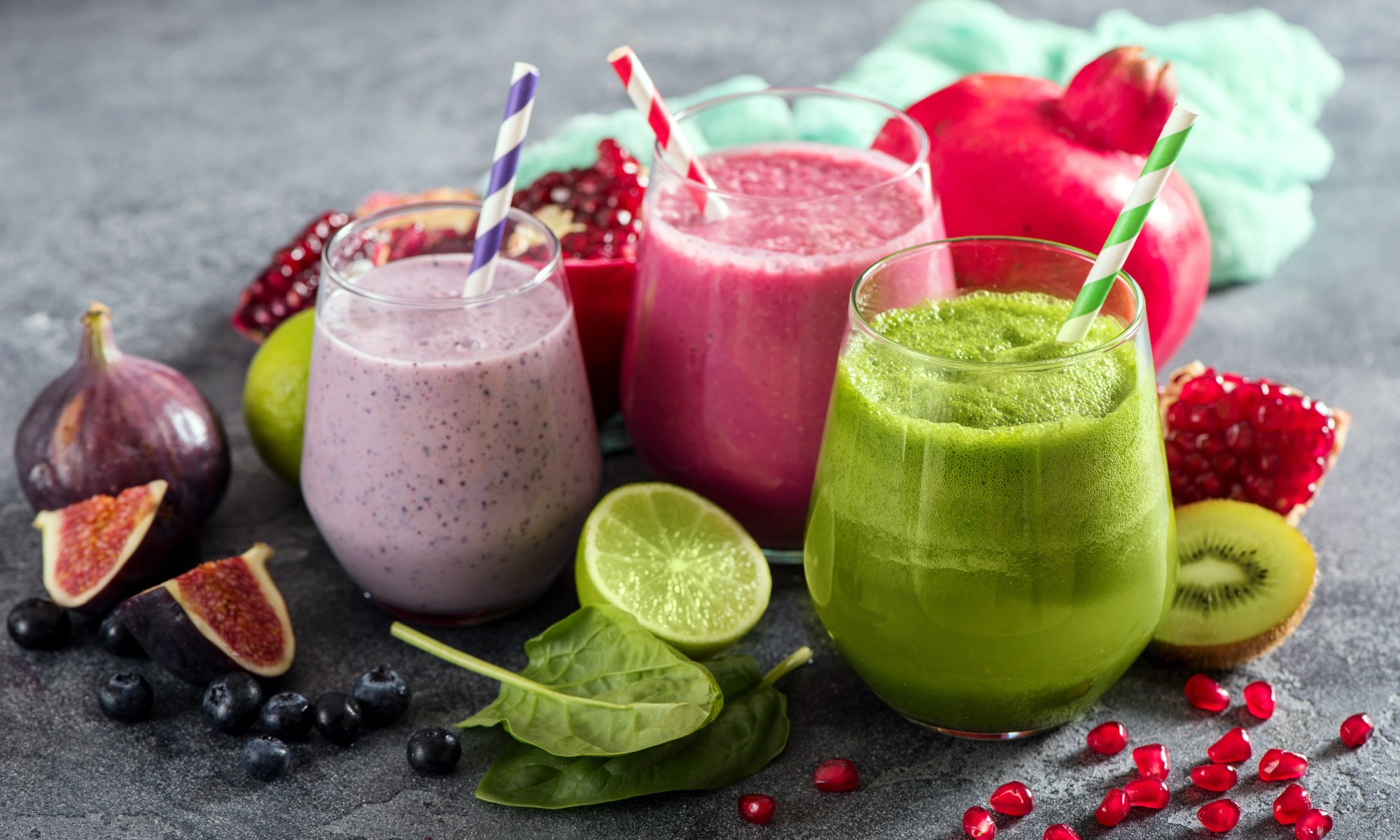
There are fun smoothies that are sweet treats, and then there are serious smoothies for a major health boost. Kick your smoothie up a level by adding in some veggies and healthy seeds and powders. Scroll to the end of the recipe to learn how these add-ins can give your body super fuel.
Base:
2 stalks of celery
½ lemon (unpeeled), cut into four pieces
½ lime (unpeeled), cut into four pieces
2-3 handfuls of greens
½ handful of parsley
2-4 scoops protein powder (pumpkin, pea, or hemp)
4-8 Tbsp of seeds (hemp, flax, sesame, or chia)
1-inch piece of fresh ginger (peeled)
1-inch piece of fresh turmeric (peeled)
1 Granny Smith apple, cored and cut into 8 slices
1 cup fresh/frozen fruit (I like strawberries, blueberries, raspberries, or blackberries. Add another cup if you need it to be sweeter.)
A couple dashes of black pepper (to help your body absorb nutrients, especially the turmeric)
2 cups water
1 cup ice (You can use an additional cup of water instead of using ice.)
Optional add-ins:
3-4 small pieces of carrots
5-6 slices of cucumber
Powders (Amla, Spirulina, Matcha, Moringa, Goji berry)
Cinnamon
Notes:
If you need it to be thicker, add more protein powder/seeds and/or use less water.
Blend in a high-powered blender. I use and recommend Vitamix.
Use organic produce as much as possible. Rotate your greens each week. Use fruit that is in season or frozen fruit. Store in mason jars or stainless steel cups for up to three days.
This recipe makes 7 cups (56 ounces).
Health information:
Celery–contains antioxidants and polysaccharides that act as anti-inflammatories
Lemon–good source of vitamin C
Lime–packed with antioxidants which fight free radicals
Parsley–contains high levels of vitamin K
Pumpkin protein powder–good source of omega fatty acids, magnesium, and zinc
Hemp seeds–contains all 20 amino acids, including the 9 our bodies can’t produce
Flax seeds–high in antioxidants and Omega-3 fatty acids
Sesame seeds–good source of copper, manganese, and calcium
Chia seeds–good source of protein, calcium, and Omega-3s
Amla–(also called Indian Gooseberry) high in phytochemicals and quercetin
Spirulina–one of the most nutrient-dense foods on earth
Matcha green tea–the best food source of catechin antioxidants
Moringa–packed with protein, vitamin C, calcium, and potassium
Goji Berry–(also called wolfberry) provide 500 times more vitamin C than oranges
Sources:
https://draxe.com/nutrition/benefits-of-celery/
https://draxe.com/nutrition/lemon-nutrition/
https://draxe.com/nutrition/limes/
https://draxe.com/nutrition/parsley-benefits/
https://draxe.com/nutrition/7-hemp-seed-benefits-nutrition-profile/
https://draxe.com/nutrition/10-flax-seed-benefits-nutrition-facts/
https://draxe.com/nutrition/sesame-seeds/
https://draxe.com/nutrition/chia-seeds-benefits-side-effects/
https://draxe.com/nutrition/10-medicinal-ginger-health-benefits/
https://draxe.com/nutrition/turmeric-curcumin-benefits/
https://draxe.com/nutrition/indian-gooseberry/
https://draxe.com/nutrition/spirulina-benefits/
https://draxe.com/recipes/matcha-green-tea-latte/
 Lisa K. Hodge